Research-based buying guide

Wood ID Megathread: 2026 Guide to Species, Tools & Finishing

Pick the right tools. Learn grain, color, weight. Your workshop needs precision.

Compare products

As an Amazon Associate we earn from qualifying purchases. Links marked 'View on Amazon' are affiliate links.

Our Picks

Compare Wood ID Megathread

Research-based product information, not hands-on testing or a measured ranking. Check exact model details before buying.

At a glance
Pick Best for Rating View
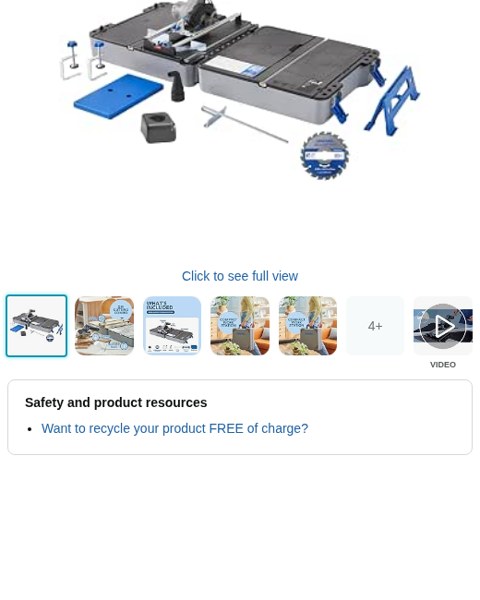
#1 Dremel Blueprint 12V Portable Circular Saw Station with Brushless Motor (incl. Multimaterial Blade, Cutting Guide, Dust Port, 2X Clamps, 2.0 Ah Battery and Fast Charger) Guided, repeatable cross-cuts in sheet materials without a full saw bench 8/10 View
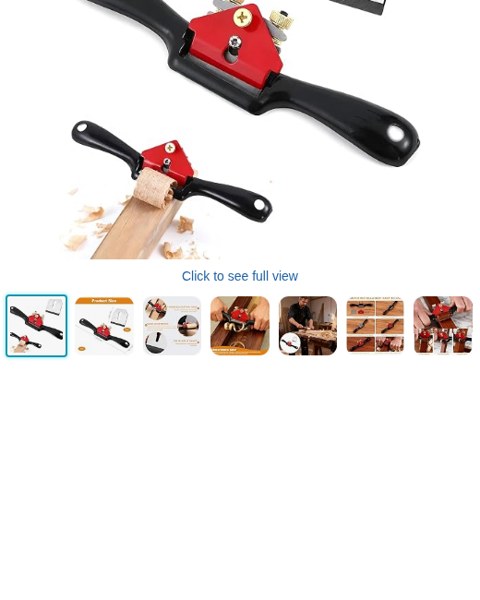
#2 JORGENSEN Adjustable Mini Wood Plane Trimming sticking doors and easing sharp edges in place 7/10 View
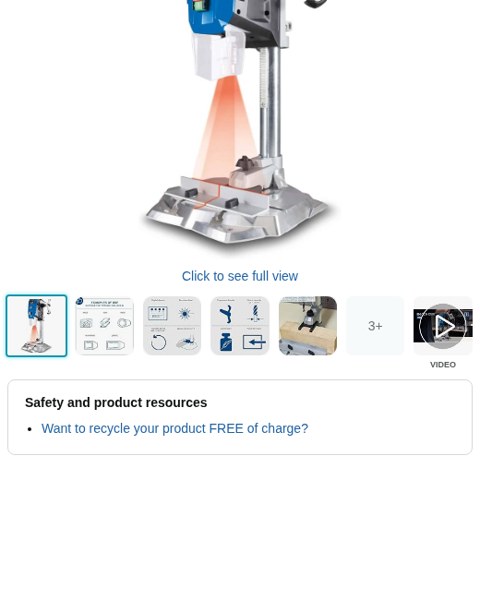
#3 Scheppach DP55 Bench Pillar Drill 710W Variable Speed Laser 13mm Chuck Digital Bench Drill Press for Accurate Drilling in Wood, Steel and Plastic Repeat, precise drilling in the workshop 8/10 View
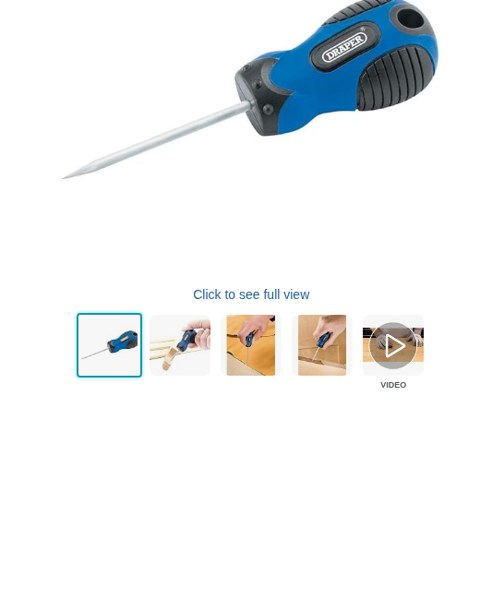
#4 Draper Soft Grip Carpenters Awl | 75mm Length and 3mm Blade Tapering | Carpenters Tools | Scratch Bradawls | 54245 Marking joinery lines and starting screw holes cleanly 7/10 View
#5 10 Inch Wood Plane Adjustable Hand Planer Door Planer Woodworking Tool Flattening proud edges and trimming doors to size 7/10 View
Dremel Blueprint 12V Portable Circular Saw Station with Brushless Motor (incl. Multimaterial Blade, Cutting Guide, Dust Port, 2X Clamps, 2.0 Ah Battery and Fast Charger)

Dremel Blueprint 12V Portable Circular Saw Station with Brushless Motor (incl. Multimaterial Blade, Cutting Guide, Dust Port, 2X Clamps, 2.0 Ah Battery and Fast Charger)

Guided, repeatable cross-cuts in sheet materials without a full saw bench

A solid pick for the right job — see pros and cons.

Pros

  • Cuts wood, laminate, non-ferrous metal and plastic
  • Brushless 12V system, battery and fast charger included
  • 3-year guarantee (2 standard + 1 via MyDremel registration)

Cons

  • Compact station format, not a full-size circular saw
  • Tied to the Dremel Blueprint 12V battery line
View on Amazon
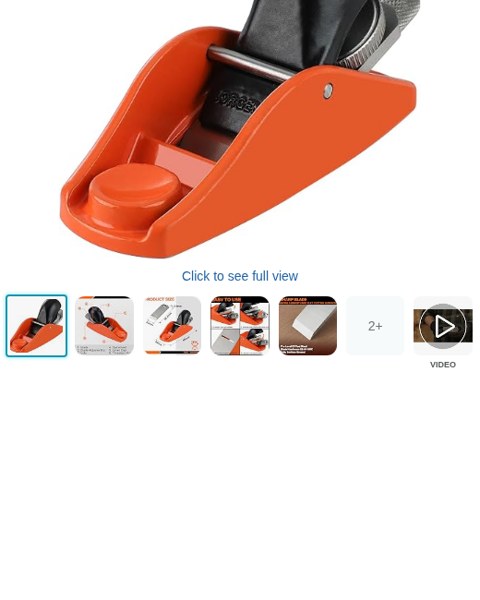
JORGENSEN Adjustable Mini Wood Plane

JORGENSEN Adjustable Mini Wood Plane

Trimming sticking doors and easing sharp edges in place

A solid pick for the right job — see pros and cons.

Pros

  • Adjustable mouth for fine shaving control
  • Small format suits doors, edges and tight spots
  • No power needed — works anywhere

Cons

  • Mini format limits stock removal vs a bench plane
  • Blade setup takes a light touch for even cuts
View on Amazon
Scheppach DP55 Bench Pillar Drill 710W Variable Speed Laser 13mm Chuck Digital Bench Drill Press for Accurate Drilling in Wood, Steel and Plastic

Scheppach DP55 Bench Pillar Drill 710W Variable Speed Laser 13mm Chuck Digital Bench Drill Press for Accurate Drilling in Wood, Steel and Plastic

Repeat, precise drilling in the workshop

A solid pick for the right job — see pros and cons.

Pros

  • Bench-mounted pillar drill for repeatable accurate holes
  • Variable speed for different materials
  • Stable platform for plug samples

Cons

  • Needs bench space and bolt-down
  • Overkill for occasional single holes
View on Amazon
Draper Soft Grip Carpenters Awl | 75mm Length and 3mm Blade Tapering | Carpenters Tools | Scratch Bradawls | 54245

Draper Soft Grip Carpenters Awl | 75mm Length and 3mm Blade Tapering | Carpenters Tools | Scratch Bradawls | 54245

Marking joinery lines and starting screw holes cleanly

A solid pick for the right job — see pros and cons.

Pros

  • Soft-grip handle for controlled marking
  • Hardened tip scribes durable lines
  • Cheap, essential layout tool

Cons

  • Single-purpose tool
  • No measuring scale on the tool itself
View on Amazon
10 Inch Wood Plane Adjustable Hand Planer Door Planer Woodworking Tool

10 Inch Wood Plane Adjustable Hand Planer Door Planer Woodworking Tool

Flattening proud edges and trimming doors to size

A solid pick for the right job — see pros and cons.

Pros

  • 10-inch sole covers doors and boards quickly
  • Adjustable blade depth for light or heavy passes
  • Works hardwood and softwood faces

Cons

  • Needs a sharp blade for best results
  • Two-handed technique to avoid gouging
View on Amazon

How to Identify Wood Species: Grain, Colour and Weight Basics

Start by looking. Grain, color, weight. These physical traits tell you more than any textbook ever could.

Oak feels heavy. Pine feels light. That difference is your first real clue. Hardwoods just sit differently in your hand, and you feel it instantly.

You need to see the pores. Check the end grain. This is the single most reliable way to separate lookalikes.

Use a loupe. Magnification reveals the truth when your eyes alone get confused between Ash and Elm.

Trust your hands before you trust your eyes.

Common Hardwoods vs Softwoods: UK Identification Chart

Oak, Beech, Pine, Spruce. These four names run the UK timber market. Knowing which one you’re holding changes everything.

Hardwoods fight back. They tear out if your tools aren’t razor sharp. Softwoods dent like butter if you look at them wrong.

Match your tooling to the wood’s density.

Don’t try to muscle through oak with cheap gear. You need stability.a cut that stays consistent through thicker stock. Its brushless motor keeps power steady, and the cutting guide ensures straight lines.

For softer woods, forget the heavy machinery. A mini plane is enough. The JORGENSEN Adjustable Mini Wood Plane trims doors and smooths edges with zero fuss. It’s compact, controlled, and won’t break the bank. Stop buying generic tools for specific jobs.

Step-by-Step Wood ID Process Using Photos and End Grain

Grab your camera. Shoot the face and end grain in neutral light so the colors stay true. Toss a coin or ruler in the frame for scale. Without that reference, your photos are just pretty pictures.

Zoom in on the end grain. Oak reveals big, obvious holes you can see without squinting. Birch hides tiny, uniform vessels that need a loupe.

End grain is the fingerprint of the wood.

Don’t burn your samples. A variable-speed drill like the Scheppach DP55 keeps RPMs low enough to protect delicate species. Its laser guide also stops you from wandering off target.

Use a sharp awl for marking. The Draper Soft Grip Carpenters Awl scratches clean lines instead of crushing fibers. You get accurate grain spacing every time.

Sample Prep and Milling Tools for Species Checks

Wood ID starts with a clean surface.

A blurry, planer-scarred board hides the grain you need. The JORGENSEN mini plane takes a shaved test patch down to bare wood in seconds, and the Draper awl lifts a splinter clean so you can read end grain properly.

For thicker stock, the Scheppach bench drill gives you clean, consistent plug samples without tear-out.

Once the surface is honest, compare grain spacing, weight and colour against a reference before you name the species.

Finishing and Caring for Identified Wood Types

Pick finishes that actually help the wood. Open-grain woods like Oak need grain filler, while softwoods demand a pre-stain conditioner to stop blotching. Don't skip this step unless you want an ugly result.

Oil finishes look great and are easy to fix, but they need constant upkeep. Lacquer and varnish offer better protection, yet touching them up is a nightmare. You have to choose your battles here.

The right finish protects and enhances.

Always test on scrap wood first. Tropical species often contain silica that will destroy your blades in no time. Don't waste good steel guessing.

Keep your hand tools razor-sharp for final detailing. A Jorgensen Adjustable Mini Wood Plane works perfectly for last-minute trims. Clean your metal parts thoroughly, or rust will ruin them overnight.

Need help?

Frequently Asked Questions

Can I identify wood species using just colour?

Colour lies. Stains and UV mess it up. You need more than just a look. Check the grain, end structure, and weight. That’s how you actually ID it right.

What is the best tool for cutting hardwoods?

A stable station like the Dremel Blueprint 12V gives you the rigidity for clean hardwood cuts. Don’t skip blade maintenance. Dull edges ruin your finish.

How do I prepare softwood for finishing?

Pine stains look like garbage. Blotchy. Ugly. Use conditioner first. It seals the wood for even color.

Why is end grain important for wood ID?

End grain exposes the wood’s true structure. Vessel distribution. Ray patterns. These traits are fingerprint-specific to certain families and species. That’s why it remains the most reliable visual indicator.

Sources and research basis

No hands-on testing. Manufacturer and retailer statements are claims from those sources, not independently measured results. Check exact models and current terms before buying.